Time to dispose of some well-known sunscreen “facts” that aren’t actually true at all. You might think that suggesting that you worry about sun protection in the middle of the winter demonstrates particularly bad timing on our part, but please read on. There are some very good reasons why it’s never a bad time to think about protection from the sun.
Myth 1: It’s only necessary to use sunscreen to prevent sunburn while tanning.
Sadly, no. Exposure to sunlight, over time, will cause premature aging of the skin. This damage is not limited to your face and will happen even if you’re on vacation, sitting on a beach under an umbrella, swimming, wearing clothing, and even when you’re out and about on a cloudy day. Most importantly, you can damage your skin without even knowing it, and certainly without necessarily feeling your skin burning.
Recently there have been important changes to the way that sunscreen is used – instead of reserving its use for days when you know you’ll be exposed to a lot of sunlight (vacation, hiking, outdoor events), more and more people are incorporating it into their daily skin care regimen. And with this trend we see sunscreen products evolving away from heavy, greasy creams, towards products that incorporate moisturizers, and are far more easily applied to, and absorbed by, the skin.
Myth 2: One sunscreen product is much like another.
The most obvious difference between different sunscreen products is the degree of protection from sunlight ultra-violet rays that they provide. A sunscreen product’s SPF (Sun Protection Factor) rating is a measure of how effectively a product protects your skin. SPF ratings typically range from 15 at the low end, up to 50 or even more at the high end. However, the SPF scale is not linear, and high-SPF rated products may not offer significantly greater protection than low-rated ones. We believe it’s more important to find a sunscreen product that you’re comfortable applying several times a day than to choose a product based simply on its SPF rating.
Aside from their SPF factor, products differ widely in the degree to which they offer protection when exposed to water. Regardless of what the manufacturers claim, no sunscreen is completely waterproof. You should re-apply sunscreen several times during the day to maintain effective protection, as well as immediately following any water exposure. Bear in mind that sunscreens also take several minutes to be absorbed by the skin, and so should be applied several minutes before exposing yourself to water.
Myth 3: Most sun damage occurs when young, so it’s not as important to protect against sun damage when older.
Unfortunately not. Damage from the sun is cumulative and takes place regardless of your age. Given the average life span, less than 25% of your lifetime exposure to sunlight occurs before the age of 18, so there’s plenty of time (and reason) for you to take care of your skin as you age, regardless of how well (or not) you protected your skin when younger.
Myth 4: Wearing sunscreen reduces one’s Vitamin D levels.
Today we are more aware of health problems that can be caused by low levels of vitamin D in the body, and people with low levels of vitamin D can easily combat this by taking supplements. Although the body uses sunlight to make vitamin D, and although sunscreen obviously works to limit sunlight exposure, medical studies have concluded that sunscreen application does not have a significant effect on most people’s levels of vitamin D. Age, skin color, and weight (only one of which we have any control over!) have more effect on our levels of vitamin D.
Myth 5: Having olive or dark-skin means that I can’t burn.
Our last myth to bust is a very pervasive one: does having olive or dark skin allow one to spend more time in the sun without protection? In a word, no. Having darker skin may mean that one burns more slowly, but anyone can suffer damage from too much sunlight exposure, regardless of skin color. Unfortunately, even though very dark complexioned people are less likely to develop skin cancer, those that do are more likely to develop complications. Melanoma is a particularly dangerous form of skin cancer, and having a dark complexion can lead to delays in diagnosing the condition.
Using sunscreen on a regular basis is something that we ALL need to do. A related belief is that maintaining a tan will provide some degree of protection against further damage to the skin. This is quite simply not true, and we strongly recommend against using tanning salons, for all skin types. The World Health Organization lists tanning beds as one of the most dangerous sources of cancer-causing radiation. In fact, using artificial tanning beds before the age of 35 more than doubles your chances of developing skin cancer later in life.
Los Angeles IPL and Skin Rejuvenation
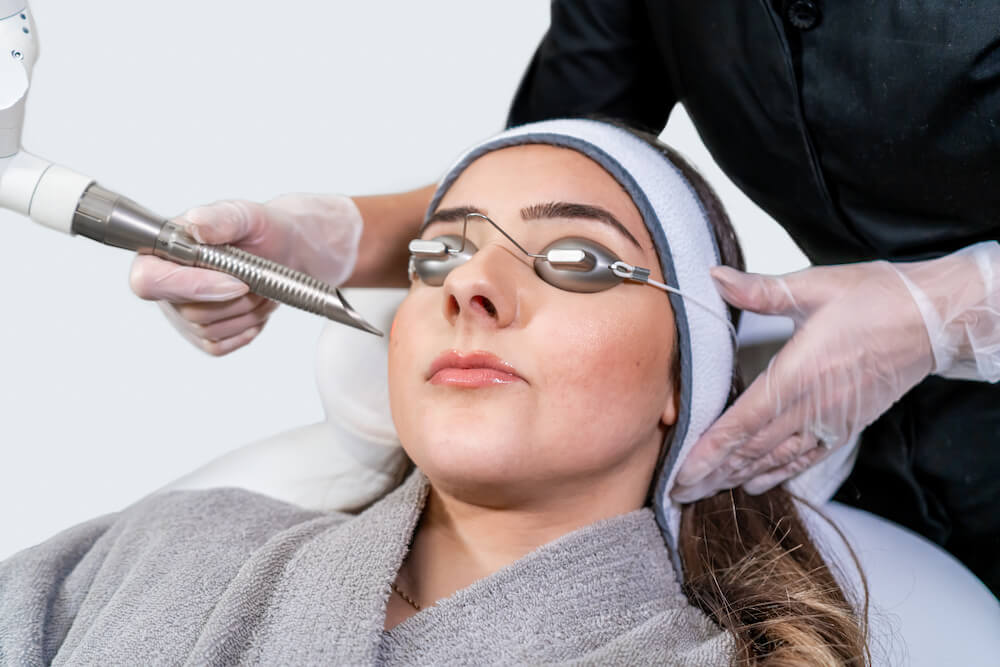
Our office provides IPL and skin rejuvenation treatments to combat the effects of sun damage and premature aging. With our non-invasive and innovative treatments, we can work on removing and resurfacing your skin for a healthier, more youthful appearance.
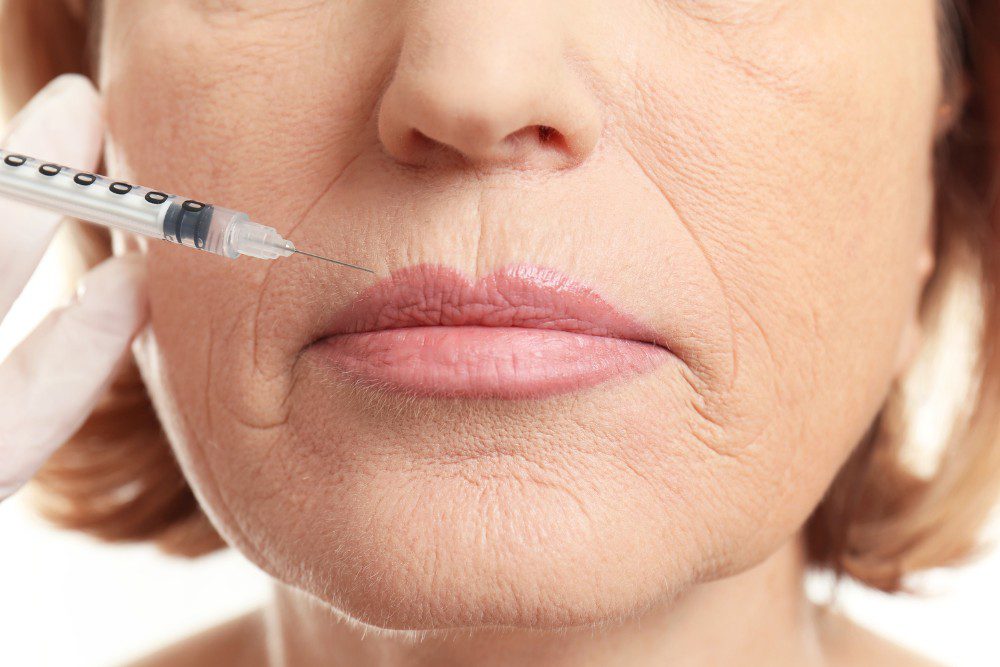
Your Laser Skin Care in Los Angeles specializes in Botox and Fillers injections, laser hair removal, vein therapy, chemical peels and IPL among many other services. Please call us at (323) 525-1516 or visit us online at yourlaserdev.wpenginepowered.com to schedule a free consultation.